When parents begin searching for childcare, one of the biggest questions they face is whether to choose a traditional daycare or a Montessori school. While both provide care and supervision for children, the daily experience, and long-term developmental impact, can look very different.
At Casa Dei Bambini Montessori, we believe early childhood education should do more than simply fill the day. It should help children build confidence, independence, focus, and a lifelong love of learning.
So what exactly makes Montessori different from a traditional daycare setting?
A Focus on Independence
In many traditional daycare environments, teachers often direct most activities throughout the day. Children may move together as a group from one activity to the next on a fixed schedule.
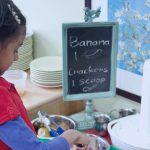
In a Montessori classroom, children are encouraged to make choices, work independently, and develop responsibility at an early age. Even young children learn practical life skills such as:
- cleaning up after themselves,
- preparing snacks,
- organizing materials,
- caring for their environment,
- and completing tasks independently.
These experiences help children build confidence and self-motivation naturally over time.
Hands-On Learning Instead of Passive Entertainment
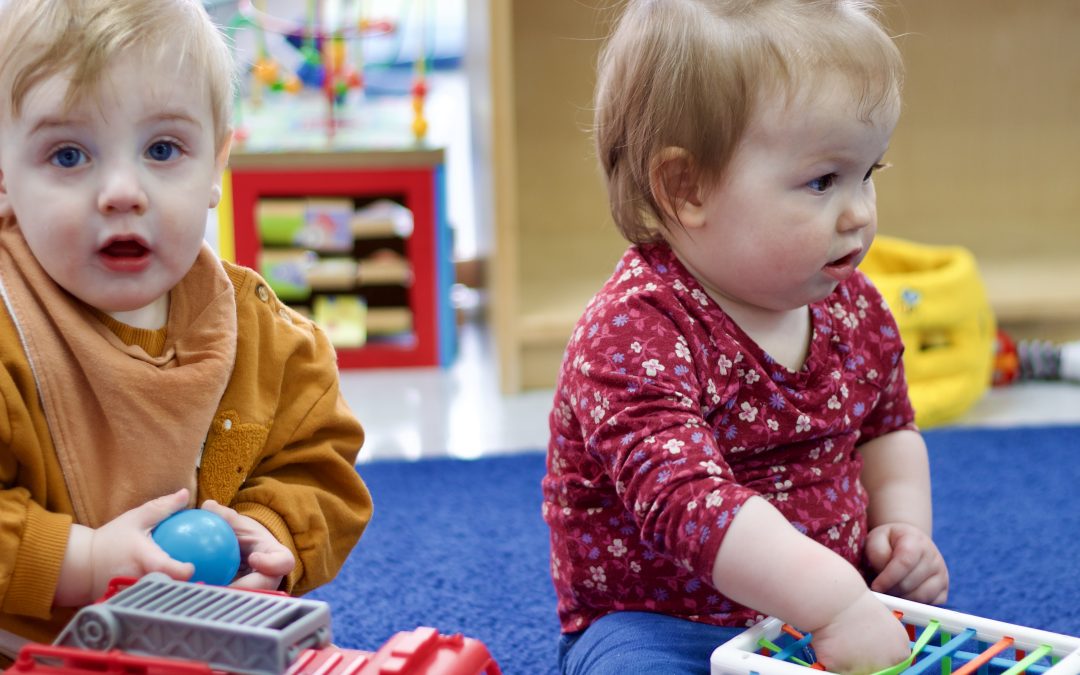
Traditional daycare programs may include free play, toys, videos, or teacher-led group activities throughout the day.
Montessori classrooms are intentionally designed around hands-on learning materials that help children actively engage with concepts through movement, exploration, and repetition. Children are not simply entertained, they are learning through purposeful activity.
This helps strengthen:
- concentration,
- problem-solving,
- fine motor skills,
- creativity,
- and critical thinking.
Calm, Structured Classrooms
Many parents are surprised by how calm Montessori classrooms feel.
Rather than loud transitions and constant stimulation, Montessori environments are carefully prepared to encourage focus, independence, and respectful social interaction. Children are given uninterrupted work periods that allow them to fully engage in activities without being rushed from one task to another.
This structure often helps children develop stronger attention spans and emotional regulation skills.
Mixed-Age Learning Opportunities
Traditional daycare classrooms are usually separated strictly by age.
Montessori classrooms often include mixed-age groups, allowing younger children to learn from older peers while older students build leadership and confidence by helping others.
This creates a more natural social environment that mirrors real-life community interactions.
Education Designed for Long-Term Development
While daycare primarily focuses on supervision and care, Montessori education focuses on the whole child, academically, socially, emotionally, and physically.
The Montessori method is designed to help children become:
- independent thinkers,
- confident learners,
- respectful community members,
- and capable problem-solvers.
Children develop foundational academic skills while also learning important life skills that extend far beyond the classroom.
Choosing What’s Best for Your Child
Every child and family is different, and the right environment depends on your goals, values, and your child’s personality.
For families looking for more than childcare, families who want an educational environment that nurtures independence, confidence, and a genuine love of learning, Montessori can be an incredibly powerful foundation during the early years.
If you would like to learn more about our Montessori programs at Casa Dei Bambini Montessori, we invite you to schedule a tour and experience the classroom for yourself.