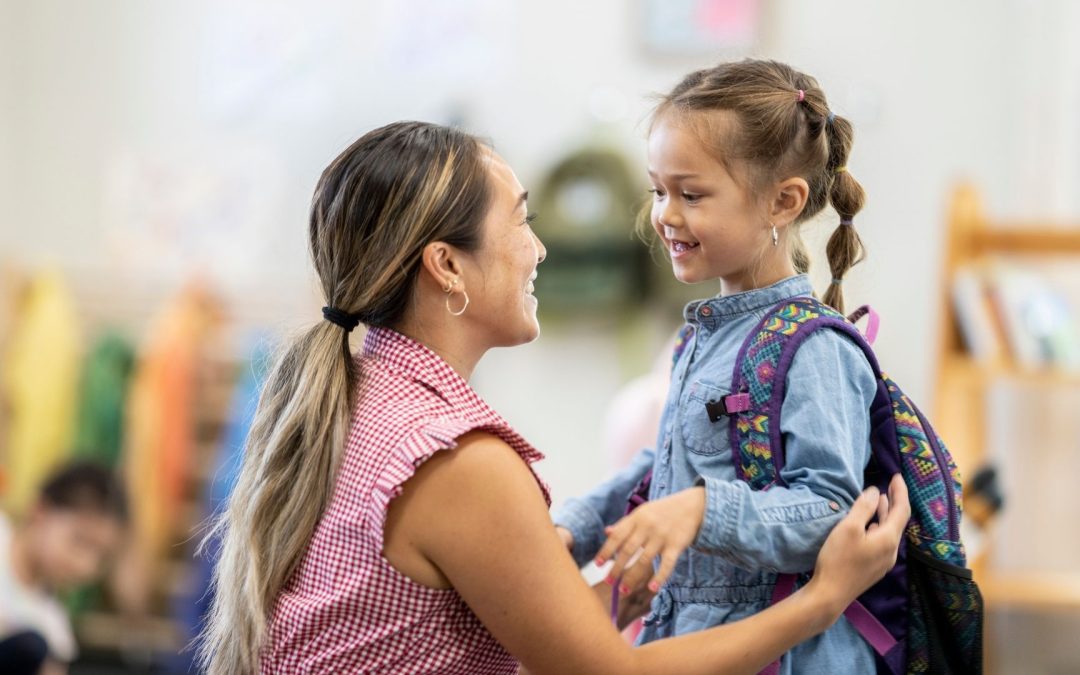
The first weeks of a new school year bring a mix of excitement and, for many families, a few tears at drop-off. Whether your child is starting in our Nido, moving up to Toddlers, or beginning their Primary years, transitions are a big milestone, and it’s completely normal for both children and parents to feel it.
At Casa Dei Bambini Montessori, we’ve guided hundreds of Aurora, Sugar Grove, and Naperville families through this exact moment. Here’s what we’ve learned about making it smoother for everyone.
Why the Prepared Environment Helps
One of the quiet advantages of a Montessori classroom is the “prepared environment” itself. Every material has a place, every activity has a purpose, and the daily rhythm is predictable. For a child who is still learning to trust a new space, that structure is grounding. Within the first few days, most children discover that this new room, while unfamiliar, is calm, orderly, and theirs to explore at their own pace.
What’s Normal at Each Age
Separation anxiety doesn’t look the same for every child, and it isn’t a sign that something is wrong.
- Nido (Infants): Expect some fussiness at drop-off and a strong preference for consistent caregivers. This usually eases as trust builds over the first couple of weeks.
- Toddlers: This is often the hardest stage for goodbyes. Toddlers are developing independence but still crave the security of a parent nearby. Short protests at drop-off, followed by settling in within minutes, is typical.
- Primary (Kindergarten): Older children may express anxiety through questions or clinginess in the morning, even if they seem excited once they arrive. Verbal reassurance goes a long way here.
A Few Things That Really Help
- Keep goodbyes short and consistent. A brief hug, a familiar phrase (“I’ll see you after lunch!”), and a confident exit help your child feel secure. Lingering, even out of love, tends to prolong the difficulty.
- Build a simple routine before school. Children thrive on predictability. A consistent morning sequence, breakfast, getting dressed, the car ride, signals that the day is unfolding as expected.
- Trust the process, even on hard days. Most children who cry at drop-off are calm within minutes of walking through the door. Our guides are trained to support this transition with warmth and patience.
- Talk about school with curiosity, not pressure. Ask open-ended questions like “What did you build today?” rather than “Did you cry?” This keeps the focus on discovery.
How We Support New Families
Our guides get to know each child’s individual pace, some settle in within a day, others need a couple of weeks, and we tailor our approach accordingly. We also welcome questions from parents at any point during the adjustment period; you know your child best, and we’re here as partners, not just caregivers.
If you’re considering Casa Dei Bambini Montessori for the upcoming year, or your child is already enrolled and adjusting to a new classroom, we’d love to talk with you about what to expect.